






Introduction to Fa Cai Shen
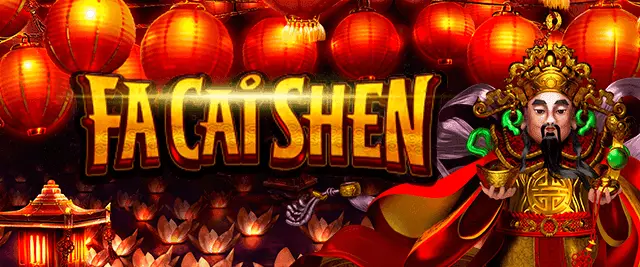
Fa Cai Shen is one of the most widely recognized deities in Chinese culture, especially associated with money, success, and good fortune. The name “Fa Cai Shen” literally translates to “God of Wealth,” and he is worshipped by people who hope to attract financial stability, business success, and prosperity in life. His presence is especially strong during festivals, business openings, and Lunar New Year celebrations, when people seek blessings for a financially successful year ahead.
Across Chinese communities worldwide, Fa Cai Shen is more than a religious figure—he represents hope, ambition, and the belief that hard work combined with divine blessing can lead to prosperity.
Origins and Historical Background
The origins of Fa Cai Shen are rooted in Chinese folk religion, Taoist traditions, and historical figures who were later deified. Unlike some strictly defined gods, Fa Cai Shen is not a single historical personality but rather a divine title that has been associated with multiple figures across Chinese history.
One of the most famous representations is Zhao Gongming, a warrior deity from Taoist mythology who became associated with wealth and protection. Over time, different regional traditions developed their own versions of Fa Cai Shen, sometimes depicting him as a civil official holding a gold ingot, or as a military figure riding a black tiger.
This diversity reflects the evolution of Chinese spiritual beliefs, where historical heroes and moral figures are often elevated into divine roles representing human aspirations.
Meaning and Symbolism of Fa Cai Shen
Fa Cai Shen symbolizes much more than financial gain. In traditional belief, wealth is not only about money but also about harmony, opportunity, and stability in life. Worshippers believe that Fa Cai Shen can help remove financial obstacles, attract business opportunities, and bring good luck in investments.
Common symbols associated with Fa Cai Shen include:
- Gold ingots (symbolizing wealth accumulation)
- Coins (representing continuous income flow)
- Scrolls or ledgers (symbolizing knowledge of prosperity)
- Tigers or dragons (representing power and protection)
- Red and gold colors (signifying luck and abundance)
Each of these symbols carries deep cultural meaning and is often used in homes, offices, and shops to invite prosperity energy.
Worship Practices and Traditions
Devotion to Fa Cai Shen is deeply connected with daily life, especially among entrepreneurs, traders, and business owners. People often pray to him in the early morning, believing that this time brings stronger spiritual alignment with prosperity energy.
During Lunar New Year, many households perform rituals to welcome Fa Cai Shen into their homes. These rituals include lighting incense, offering food, and reciting prayers for financial blessings. In some regions, it is believed that Fa Cai Shen visits earth on the fifth day of the Lunar New Year, making it one of the most important days for business openings and financial rituals.
Businesses often place statues or images of Fa Cai Shen near cash registers or entrance doors to attract wealth and positive energy flow.
Common Offerings to Fa Cai Shen
Offerings to Fa Cai Shen are an essential part of worship, symbolizing respect and gratitude. Below is a list of commonly used offerings:
Traditional Offerings List
- Fresh fruits such as oranges, apples, and bananas for abundance and sweetness in life
- Incense sticks to connect prayers with the spiritual realm
- Tea or rice wine as a gesture of respect and hospitality
- Sweet foods like cakes and candies to attract good fortune
- Gold paper or joss paper representing symbolic wealth in the spiritual world
- Red candles for luck, protection, and positive energy
- Flowers, especially chrysanthemums, symbolizing longevity and prosperity
- Roast meats in some traditions as a sign of celebration and gratitude
These offerings are usually placed on an altar or special table dedicated to Fa Cai Shen, often decorated in red and gold.
Temples and Places of Worship
Temples dedicated to wealth deities, including Fa Cai Shen, can be found across China, Taiwan, Malaysia, Singapore, and other regions with significant Chinese communities. These temples are often visited by business owners seeking blessings before launching new ventures or making major financial decisions.
Inside these temples, statues of Fa Cai Shen are usually placed in prominent positions, sometimes accompanied by other deities associated with fortune and protection. Worshippers may also draw fortune sticks or consult temple priests for guidance regarding financial matters.
Even in modern cities, small household altars dedicated to Fa Cai Shen remain common, showing how traditional beliefs continue to adapt to urban life.
Fa Cai Shen in Modern Culture
In modern times, Fa Cai Shen has become a cultural icon beyond religious worship. He frequently appears in advertisements, decorations, and festive events, especially during Chinese New Year celebrations.
Many businesses use his image to attract customers and symbolize success. His figure is also popular in digital stickers, games, and marketing campaigns, where he is often shown showering gold coins or smiling warmly as a sign of incoming prosperity.
Despite modernization, the core belief remains the same: Fa Cai Shen represents the hope for financial stability and a better future.
Feng Shui and Wealth Energy
In Feng Shui practices, Fa Cai Shen plays an important role in attracting wealth energy, known as “chi.” Proper placement of his image or statue is believed to influence financial outcomes.
Common Feng Shui guidelines include:
- Placing Fa Cai Shen facing the main entrance to welcome wealth
- Keeping the surrounding area clean and organized to allow energy flow
- Avoiding placement in bathrooms or cluttered spaces
- Using red and gold decorations to enhance prosperity vibration
- Positioning him at eye level, not too high or too low
These practices reflect the belief that environment and spiritual intention work together to influence success.
Conclusion
Fa Cai Shen remains one of the most powerful and meaningful figures in Chinese cultural and spiritual traditions. Whether viewed as a deity, a symbol, or a cultural icon, he represents the universal human desire for prosperity, stability, and success.
From ancient myths to modern business practices, Fa Cai Shen continues to inspire millions of people around the world. His influence shows how traditional beliefs can remain relevant even in a fast-changing modern economy, blending spirituality with everyday aspirations for financial well-being.