









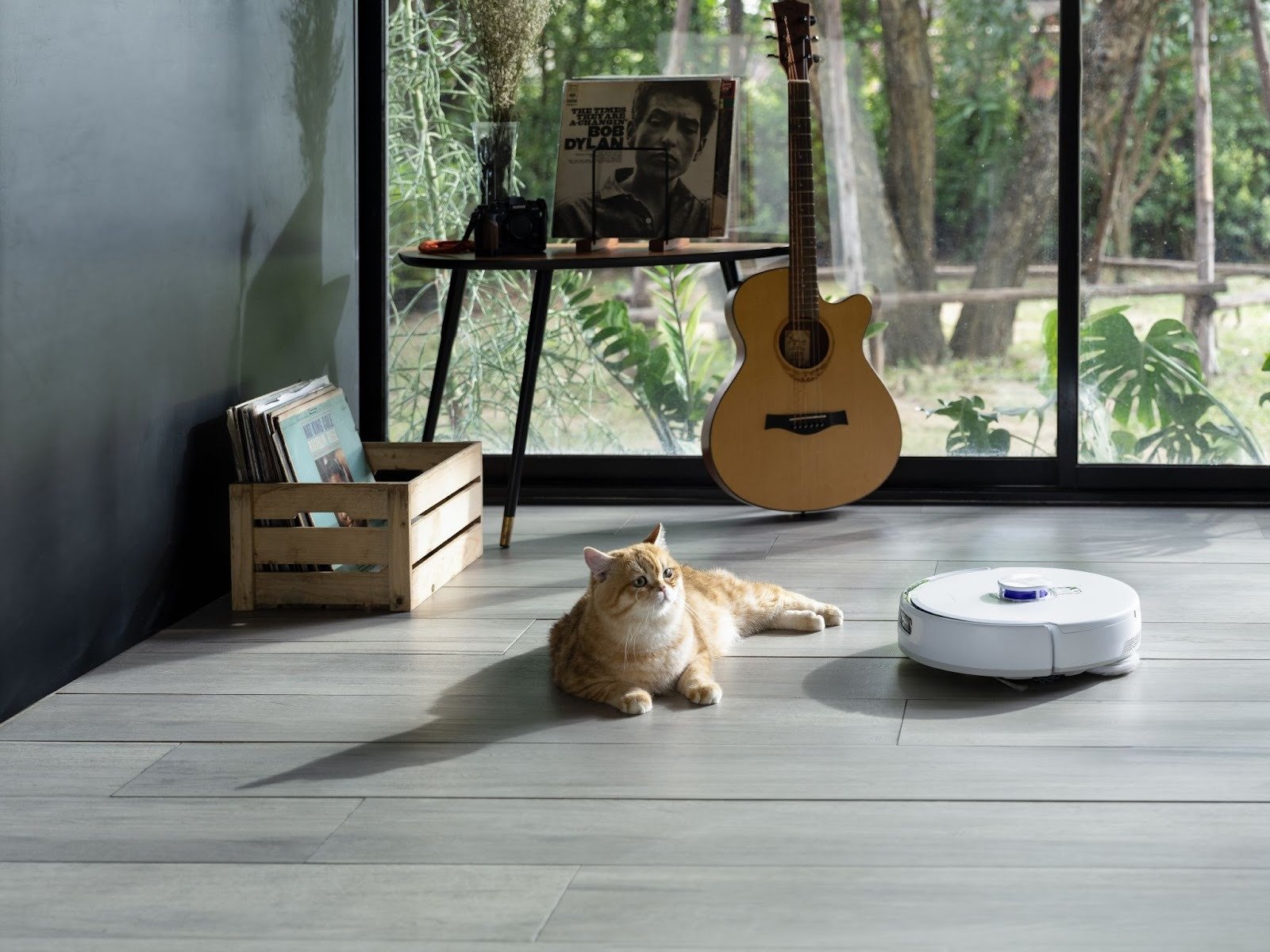
Pet hair buildup is one of the most common cleaning challenges in modern homes. Hair sheds daily and spreads across floors, furniture, and corners. For pet owners, keeping floors clean often feels like a never-ending task. This raises an important question about automated cleaning performance.
Many people turn to automated cleaning tools for help with pet hair. These devices promise regular maintenance with minimal effort. Yet pet hair behaves differently from dust or crumbs. Understanding how well automation handles this problem is essential.
Why Pet Hair Is Hard to Clean
Pet hair is lightweight and easily airborne. It collects along walls, under furniture, and in corners. On carpets, it can cling tightly to fibers. On hard floors, it tends to gather in clumps.
Another challenge is volume. Pets shed daily, sometimes heavily. This means floors can look dirty again within hours. Manual cleaning often feels repetitive and exhausting.
Hair can also tangle easily. Long strands may wrap around brushes or wheels. This can reduce cleaning efficiency if not managed properly.
How Robot Vacuums Approach Pet Hair
Automated cleaning tools are designed to work regularly rather than deeply once. Their strength lies in consistency. By cleaning frequently, they reduce the amount of hair that builds up over time.
These devices move across floors in planned paths. They collect loose hair before it spreads further. This approach helps maintain a cleaner environment day by day.
A vacuum mop robot combines dry collection with surface wiping. This can be useful for picking up fine hair that sticks to hard floors.
Daily Maintenance Versus Deep Cleaning
Automated cleaning focuses on daily maintenance. It prevents large piles of hair from forming. This makes occasional deep cleaning easier and faster.
However, it is important to set realistic expectations. Automation does not replace every cleaning task. It reduces the workload rather than removing it entirely.
For many pet owners, this balance feels practical. Floors stay cleaner without constant manual effort.
Performance on Different Floor Types
Floor type plays a major role in pet hair pickup. On hard floors, hair is easier to collect. It usually sits on the surface and moves easily.
Regular automated passes can keep hard floors looking clean. Hair clumps are removed before spreading. This is especially helpful in high-traffic areas.
On carpets, pet hair can be more stubborn. Short fibers release hair more easily than thick ones. Frequent cleaning improves results over time.
Corners and Edges
Pet hair often gathers along edges and corners. These areas are harder to reach manually. Automated devices are designed to move close to walls.
While not perfect, repeated cleaning helps reduce buildup in these spots. Over time, edges stay cleaner than with occasional manual cleaning.
Managing Hair Tangles and Maintenance
Hair tangling is a common concern. Long pet hair can wrap around moving parts. This requires occasional attention from the user.
Regular checks help maintain performance. Removing trapped hair takes little time when done often. This small effort supports long-term efficiency.
Most users find this maintenance manageable. It is still less demanding than frequent manual vacuuming.
Impact on Daily Life for Pet Owners
Living with pets means accepting some level of mess. Automated cleaning helps reduce visible hair on floors. This can improve comfort and hygiene.
A cleaner floor also reduces hair transfer to furniture. When hair is removed early, it spreads less. This keeps living spaces feeling fresher.
Mental stress is also reduced. Knowing that cleaning happens regularly brings peace of mind. Pet owners spend less time worrying about floors.
Noise and Pet Reactions
Some pets may react to moving devices at first. Over time, most pets adjust. Cleaning can often be scheduled during quiet hours.
Once pets adapt, the process becomes routine. This allows cleaning to happen without disruption.
Limitations to Keep in Mind
Automated cleaning is not flawless. Very heavy shedding may still require extra effort. Certain rugs or cluttered areas may limit performance.
Preparation is sometimes needed. Removing obstacles helps improve results. These small steps support smoother operation.
Despite these limits, automation still provides value. It reduces the frequency and intensity of manual cleaning.
Overall Effectiveness Against Pet Hair
So, how well do robot vacuums handle pet hair buildup? The answer depends on expectations and habits. They excel at regular maintenance rather than one-time deep cleaning.
By cleaning frequently, they prevent hair from accumulating. This keeps floors consistently cleaner. For most pet owners, this makes daily life easier.
In the long term, automated cleaning supports a more manageable routine. Pet hair remains a challenge, but it becomes far less overwhelming.