









Few names in Hollywood evoke as much admiration and intrigue as Mel Gibson. From his early days as an Australian action hero to his transformation into an Academy Award–winning director, Gibson’s career spans decades of unforgettable performances and bold storytelling. Whether he’s playing a fearless warrior, a conflicted father, or a man of faith behind the camera, Mel Gibson movies have left a permanent mark on the film industry. This guide dives deep into his iconic roles, directorial triumphs, and the evolution of one of cinema’s most fascinating figures.
The Rise of a Star: From Australia to Hollywood
Mel Columcille Gerard Gibson was born in 1956 in Peekskill, New York, and moved to Australia as a child. His acting journey began at the National Institute of Dramatic Art in Sydney, where he quickly stood out for his intensity and charisma. His big break came with George Miller’s “Mad Max” (1979) — a gritty, post-apocalyptic thriller that became a global phenomenon. The film’s success catapulted Gibson to international fame and established him as a rising star in action cinema.
Soon after, “Mad Max 2: The Road Warrior” (1981) and “Mad Max Beyond Thunderdome” (1985) solidified his reputation as an action icon. Audiences loved his raw energy, and critics praised his ability to balance vulnerability with strength — a rare combination in the genre.
Hollywood Breakthrough: Lethal Weapon and Beyond
By the late 1980s, Gibson had conquered Hollywood. His role as Martin Riggs in the buddy-cop classic “Lethal Weapon” (1987) turned him into a household name. The chemistry between Gibson and co-star Danny Glover became the heart of the franchise, spawning three sequels and countless imitators. The series showcased Gibson’s comedic timing, emotional depth, and mastery of on-screen action.
During this era, Gibson also proved his versatility with acclaimed performances in “Gallipoli” (1981) and “The Year of Living Dangerously” (1982) — both of which demonstrated his dramatic range and solidified his status as more than just an action star.
He continued to impress audiences with films like “Tequila Sunrise” (1988), “Hamlet” (1990), and “Maverick” (1994), seamlessly moving between genres — from Shakespearean tragedy to Western comedy.
The Director Emerges: Braveheart and Beyond
In the mid-1990s, Mel Gibson took a bold leap behind the camera. His directorial debut, “The Man Without a Face” (1993), revealed his sensitivity and depth as a storyteller. But it was “Braveheart” (1995) that cemented his place among Hollywood’s elite directors.
Starring as Scottish hero William Wallace, Gibson delivered both a powerful performance and a visually stunning epic that captured the spirit of freedom and sacrifice. The film swept the Oscars, winning Best Picture and Best Director, and remains one of the most beloved historical dramas ever made.
After “Braveheart,” Gibson’s focus increasingly shifted toward directing — where his bold vision and willingness to tackle challenging themes stood out.
Exploring Faith and Humanity: The Passion of the Christ
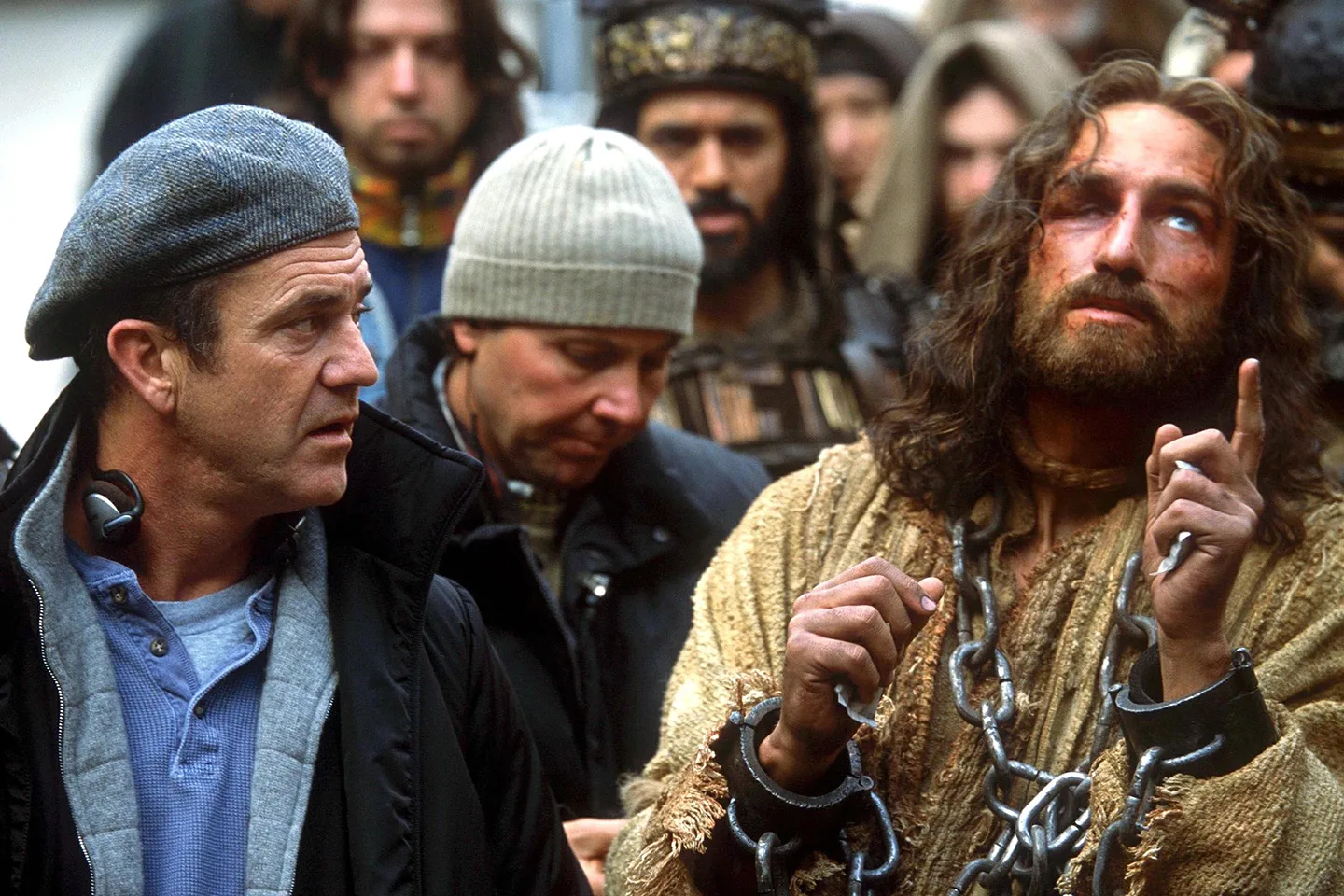
In 2004, Gibson directed one of the most controversial yet financially successful films of all time — “The Passion of the Christ.” Told in Aramaic, Latin, and Hebrew, the film portrayed the final hours of Jesus Christ’s life with unflinching realism. Despite criticism for its graphic violence, it struck a chord worldwide, earning over $600 million at the global box office.
More importantly, it showcased Gibson’s deep commitment to storytelling that explores faith, redemption, and human suffering. The film remains a cultural touchstone and continues to inspire debate and devotion in equal measure.
Pushing Boundaries: Apocalypto and Hacksaw Ridge
Two years later, Gibson directed “Apocalypto” (2006), an adrenaline-fueled epic set in the declining days of the Mayan civilization. Filmed entirely in the Yucatec Maya language, the movie was both visually stunning and emotionally gripping — a testament to Gibson’s skill in bringing ancient worlds to life.
After a brief hiatus from directing, he returned a decade later with “Hacksaw Ridge” (2016) — a true story about Desmond Doss, a pacifist medic who saved 75 men during World War II without carrying a weapon. The film was a critical triumph, earning six Academy Award nominations and winning two. Once again, Gibson proved his talent for blending brutality with humanity — showcasing courage, sacrifice, and moral conviction in the face of war.
Recent and Upcoming Projects
Even after four decades in the business, Gibson continues to stay active both on-screen and behind the camera. His later performances in “Edge of Darkness” (2010), “Blood Father” (2016), “Dragged Across Concrete” (2018), and “Fatman” (2020) reveal a more mature, introspective side of his acting persona — often portraying flawed men seeking redemption.
As for directing, Gibson has announced plans for “The Passion of the Christ: Resurrection”, a long-awaited sequel that’s expected to explore the aftermath of Jesus’s crucifixion. He’s also attached to direct and star in “Flight Risk,” continuing his reputation for tackling challenging material that blends action, emotion, and philosophy.
The Legacy of Mel Gibson Movies
What makes Mel Gibson movies stand out is their emotional honesty and raw intensity. Whether he’s playing a tormented hero or directing a morally complex story, Gibson infuses his work with passion and purpose. His films often explore themes of freedom, faith, and redemption — universal ideas that resonate deeply with audiences.
As an actor, Gibson brought charisma and vulnerability to every role. As a director, he redefined epic filmmaking, using authenticity and emotional depth to create cinematic experiences that endure. Despite controversies that have surrounded his personal life, his artistic contributions remain undeniable.
Why Audiences Still Love Mel Gibson Movies
There’s something timeless about Gibson’s work. Fans connect with his portrayals of courage and resilience, while film enthusiasts admire his ability to merge spectacle with sincerity. From the deserts of “Mad Max” to the battlefields of “Braveheart,” every film he touches feels larger than life — yet deeply human at its core.
Moreover, his willingness to take creative risks — whether by filming in dead languages or depicting violence with unfiltered realism — has inspired generations of filmmakers. Gibson may be a polarizing figure, but his movies continue to draw audiences who crave stories that move, challenge, and inspire.
Conclusion
In the vast landscape of Hollywood, Mel Gibson movies hold a unique place. They combine emotional power, cinematic grandeur, and timeless storytelling — qualities that few modern filmmakers consistently achieve. From his early days as an action star to his evolution into a masterful director, Gibson’s journey reflects both artistic ambition and human complexity.
His films remind us that stories of bravery, sacrifice, and redemption never go out of style. Whether you’re revisiting “Braveheart,” exploring “Hacksaw Ridge,” or anticipating his next directorial project, one thing is certain — the world of cinema would be far less exciting without Mel Gibson.
For more insights and entertainment content like this, keep following 9xflix — your trusted source for film guides, reviews, and cinematic deep dives.