








Buying a BMW accessory does not always mean buying new. In fact, some of the best-value upgrades and replacement accessories available today are genuine BMW components that have already had a life in another vehicle. For owners of older BMWs, this can be an especially practical way to restore the car, improve its specification or replace a damaged component without paying full dealer prices.
The used market is particularly interesting for BMW because the manufacturer has produced so many different interior, exterior and technology options across its model generations. A component that is expensive to replace new may be relatively easy to find second-hand, often in very good condition. The challenge is knowing which accessories are sensible used purchases and which require more caution.
There is also an important distinction between buying a used genuine BMW accessory and buying an unknown aftermarket equivalent. Original components were designed for the vehicle and can preserve its factory appearance and functionality, but they still need to be checked for condition and compatibility. With that in mind, here are seven used BMW accessories that are particularly worth considering.
1. Genuine BMW Alloy Wheels
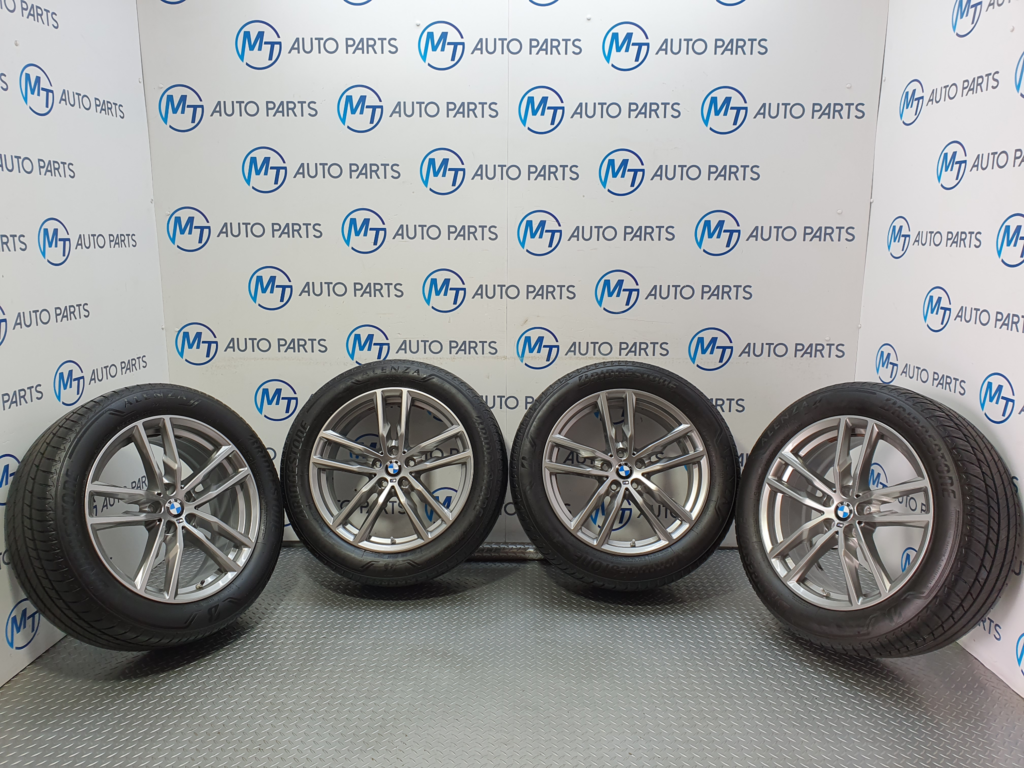
Genuine BMW alloy wheels are arguably one of the smartest accessories to buy used. New wheels can be surprisingly expensive, especially when looking for larger diameters, M Sport designs or less common factory styles. On the second-hand market, however, it is possible to find original BMW wheels removed from vehicles that are being dismantled, upgraded or repaired.
The appeal is about more than saving money. Genuine wheels allow owners to retain the factory appearance and specification of their BMW, which can be particularly important when restoring a car or replacing a damaged wheel. A used original wheel can also be preferable to a cheaper aftermarket design when maintaining the car’s original character matters.
Condition is the crucial consideration. Minor kerb marks are usually cosmetic, but cracks, buckles and previous structural repairs are much more serious. Before buying, check the wheel diameter, width, offset and other specifications against your vehicle. If tyres are included, their condition and age should also be considered separately.
A reputable specialist should be able to provide clear photographs and information about the wheel’s condition. This is one reason specialist BMW dismantlers can be useful: they deal with original components from specific BMW models rather than treating every wheel as a generic product.
Why it ranks first: genuine BMW wheels can deliver a substantial saving, are relatively straightforward to inspect and can make a significant difference to the appearance of a car.
2. BMW M Sport and M Performance Steering Wheels
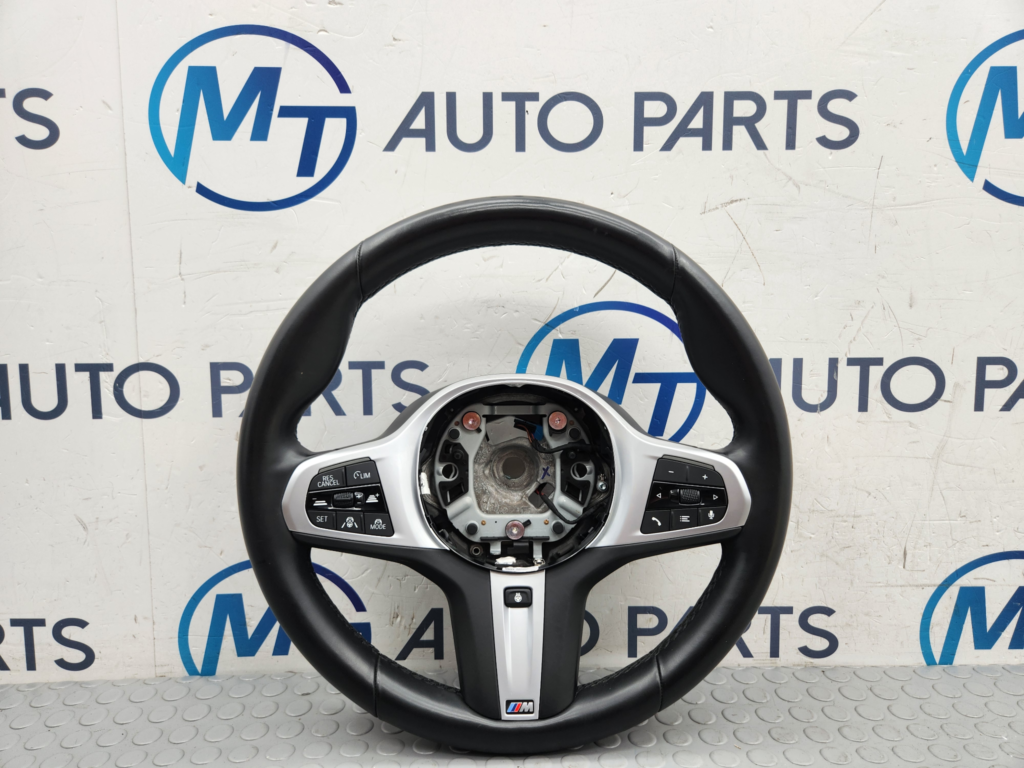
A steering wheel is one of the most noticeable parts of a BMW interior because the driver interacts with it every time the car is used. That makes a genuine M Sport or M Performance steering wheel an attractive upgrade for owners whose original wheel has become worn or who want a more premium driving environment.
The used market can offer access to steering wheels that would be expensive to purchase new, including versions with multifunction buttons, paddle shifters and different leather finishes. A good used wheel can therefore provide much of the visual and tactile improvement of a new component without the same price tag.
However, steering wheels require more careful checking than alloy wheels. BMW has used different designs and electronic configurations across generations, and components such as buttons, wiring and airbag systems need to be compatible with the vehicle. A wheel that physically fits does not necessarily mean it is a suitable complete replacement.
The safest approach is to identify the exact BMW part number and provide the vehicle VIN before purchasing. This is particularly important when buying online, where two wheels can look almost identical but have different specifications.
Why it ranks second: a used genuine steering wheel can transform a BMW’s interior, but buyers need to verify compatibility carefully before ordering.
3. Genuine BMW Interior Trim
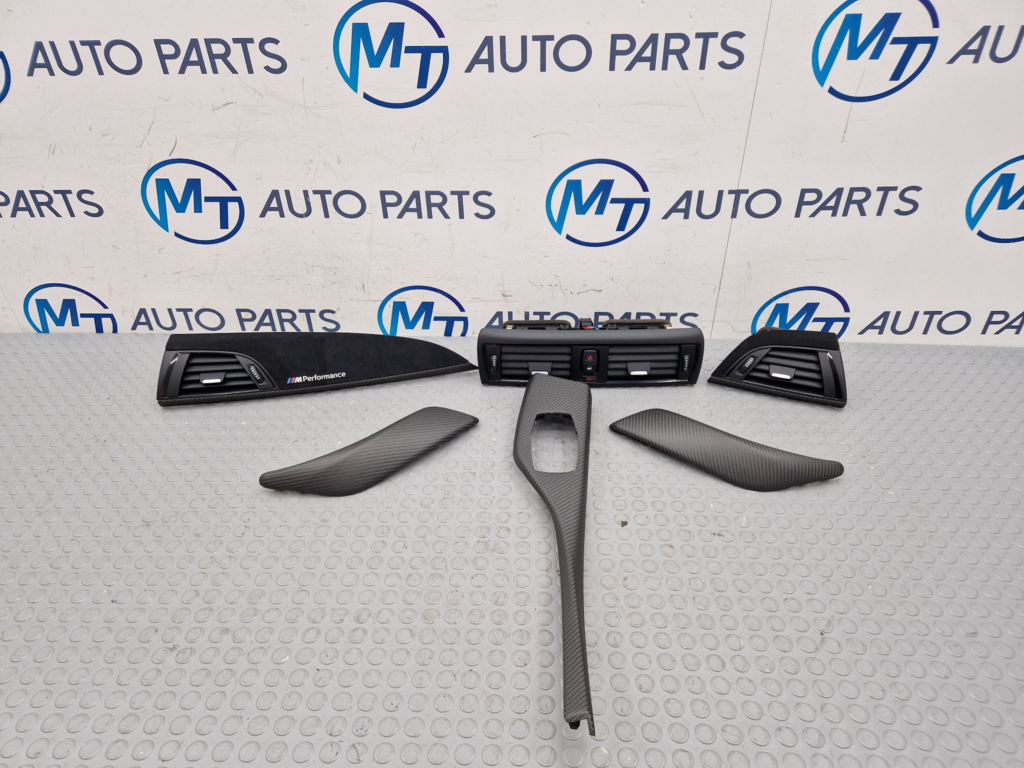
Interior trim is easy to overlook until it becomes damaged. Scratched dashboard panels, marked centre-console trim or broken decorative pieces can make an otherwise well-maintained BMW look considerably older. Replacing individual pieces with new genuine BMW components can also become expensive, particularly when the original trim is no longer commonly stocked.
This makes used interior trim an excellent option. Owners can replace only the damaged component instead of buying an entire interior, while enthusiasts restoring a BMW can use original factory trim rather than turning to generic aftermarket alternatives.
The condition of the visible surface should be checked carefully. Gloss-black trim, for example, can reveal fine scratches very easily, while aluminium, wood and other finishes may have chips or cracks. Mounting clips and brackets are equally important because a panel that looks perfect but has broken fixings may be difficult to install securely.
The best purchases are usually components that have been photographed clearly and described honestly. Minor signs of previous use are not necessarily a problem; damaged surfaces, missing fixings or warped panels are.
Why it ranks third: interior trim is relatively simple, easy to inspect and often much cheaper used than buying the same genuine component new.
4. BMW Infotainment and Multimedia Components
Technology has become a major part of the BMW ownership experience, and replacing an infotainment component can be expensive. This makes used original equipment worth considering when a screen, navigation unit, iDrive controller, amplifier or other multimedia component develops a fault or needs replacing.
The advantage of buying a genuine used component is that it was designed for the BMW system rather than being a universal aftermarket product. For owners who want to retain the original dashboard appearance and factory functionality, this can be particularly important.
However, this category needs more careful compatibility checking than the first three. BMW infotainment systems have changed substantially between generations, and even vehicles that look similar can have different screens, control units and software configurations. A component can therefore be physically similar without being a suitable replacement.
Before buying, establish the exact part number and specification. If the component is electronic, ask whether it has been tested and whether coding, programming or additional equipment may be required after installation. Providing the VIN can also help a specialist determine which version your vehicle requires.
Why it ranks fourth: genuine used infotainment components can save significant money and preserve the factory system, but compatibility and testing are particularly important.
5. BMW Seats and Interior Seating
Seats are another category where the used market can make a major difference to the cost of upgrading or restoring a BMW interior. A worn driver’s seat can make a car feel much older than it is, while upgrading from a standard interior to Sport or M Sport seats can dramatically change the cabin.
Buying a complete used interior can also make more sense than trying to replace individual pieces. Matching seats, door cards and other components can give the interior a consistent appearance that is difficult to achieve by sourcing unrelated parts separately.
Naturally, condition is critical. Leather should be checked for cracking, excessive wear and damaged bolsters, while fabric seats need to be inspected for staining and tears. Electrically adjustable, heated or otherwise equipped seats require additional checks to establish that the relevant controls and wiring are present.
Fitment is equally important because BMW seats can vary significantly between models and specifications. A specialist supplier should be able to identify the vehicle from which the interior came and help establish whether it is suitable for the buyer’s BMW.
Why it ranks fifth: a good used BMW seat or interior can make a dramatic difference to the cabin while potentially costing far less than purchasing equivalent components new.
6. BMW Wing Mirrors
Wing mirrors are easy to take for granted until one is damaged. On a modern BMW, however, a mirror can contain considerably more technology than simply a piece of reflective glass. Depending on the model and specification, it may include electric adjustment, heating, folding mechanisms and other electronic features.
That makes a genuine used BMW mirror a sensible option when the original assembly needs replacing. Rather than paying dealer prices for a complete new unit, owners can often find an original component removed from another BMW.
The critical point is specification. Two mirrors can look almost identical while having different electrical equipment inside. Buyers should establish whether the mirror is heated, electrically folding or equipped with any other relevant features. Left- and right-hand versions obviously need to be matched correctly as well.
Paint is another consideration when buying a complete mirror housing. Even if the BMW paint code is identical, a used component may have experienced a different level of fading from the rest of the vehicle. For some owners, an unpainted or differently coloured component may therefore require additional bodywork before installation.
Why it ranks sixth: a genuine used mirror can be significantly cheaper than a new assembly, but buyers need to match its physical and electronic specifications carefully.
7. BMW Grilles and Exterior Styling Accessories
For owners who want to refresh the appearance of their BMW, genuine exterior styling accessories can be an excellent used purchase. Grilles, mirror trims, spoilers and other factory styling components can provide a noticeable visual change while retaining the design language of the original car.
The used market is particularly useful for older BMWs because some factory accessories become harder to find as vehicles age. Specialist dismantlers can recover original components from cars being broken for parts, giving owners another route to finding a particular factory design or specification.
Grilles are among the simpler examples. A damaged, faded or missing kidney grille can make the front of a BMW look unfinished, while replacing it with a genuine component can provide an immediate improvement. The same principle applies to other exterior styling pieces, although these generally require more careful inspection.
Look for scratches, cracks, broken mounting tabs and signs of previous repair. Compatibility is equally important because BMW has changed grille designs and mounting arrangements between generations and model revisions. A component that looks right in a photograph may still be incorrect for the vehicle.
Checking the BMW part number is therefore worthwhile before buying, particularly when purchasing online.
Why it ranks seventh: genuine BMW exterior accessories can offer an inexpensive way to refresh a vehicle’s appearance, but fitment and condition need to be checked carefully.
Where to Buy Used BMW Accessories
The source of a used accessory matters almost as much as the accessory itself. There is a significant difference between buying a genuine BMW component from a specialist dismantler that understands the model and specification, and buying an unidentified component from a seller who cannot answer basic questions about its condition or compatibility.
A specialist can be particularly useful with BMW because seemingly similar components are not always interchangeable. MT Auto Parts, for example, specialises in BMW parts and dismantles vehicles from 2012 onwards, supplying genuine used components across F, G and U generation BMWs. Its range includes BMW auto accessories and interior and exterior components such as alloy wheels, steering wheels, seats, infotainment equipment, mirrors, grilles and trim.
That specialist knowledge can be useful when a component has several different versions. Rather than relying only on a listing title such as “BMW 3 Series steering wheel”, buyers can provide their VIN or the BMW part number and ask the supplier to confirm whether the accessory is suitable for their exact car.
This is particularly important when shopping online. A good photograph can tell you a lot about condition, but it cannot always tell you whether the component has the correct wiring, mounting points or electronic specification.
What Should You Check Before Buying a Used BMW Accessory?
The first thing to establish is exactly what you are buying. Ask for the BMW part number where possible and compare it with the number required for your vehicle. If you cannot find the number yourself, provide the supplier with the VIN and ask them to verify compatibility.
Condition should then be considered according to the type of accessory. Wheels need to be checked for cracks and buckles. Interior trim needs to be inspected for scratches and broken clips. Seats should be examined for wear and damage, while electronic components should ideally have evidence of testing.
It is also worth checking what is included. An accessory may appear inexpensive until you discover that brackets, wiring, switches or other components needed for installation are missing. A complete used component from a specialist supplier can sometimes be better value than a cheaper part that requires additional items.
Finally, check the warranty and return conditions before buying, particularly when the accessory contains electronics or represents a significant investment.
Are Used BMW Accessories Worth Buying?
For many BMW owners, they absolutely can be. The used market provides access to genuine factory components that can be considerably cheaper than new replacements, while also making it possible to find accessories that are no longer readily available through conventional retailers.
The strongest used purchases tend to have three things in common: they are durable, their condition can be assessed reasonably easily, and the saving compared with buying new is meaningful. That is why alloy wheels, steering wheels and interior trim perform particularly well in this ranking, while more technically complex items such as infotainment equipment require additional checks.
The important distinction is between buying used and buying unknown. A genuine BMW accessory with a confirmed part number, clear photographs, an honest description and appropriate warranty can be an excellent purchase. A cheap component with no information about its history or compatibility can quickly become a false economy.
Ultimately, buying used is not simply about finding the lowest price. It is about finding the right original BMW accessory in the right condition for the right car. When those three things line up, the second-hand market can be one of the smartest ways to upgrade, repair or restore a BMW without paying full new-part prices.